Anthropic and Accenture Each Put at Least $1 Billion Toward Embedded Evaluation
On September 18, 2026, Anthropic said it is partnering with Accenture’s Faculty unit to embed independent evaluators inside the lab: red-teaming, alignment assessments, and safeguard tests, with access comparable to an employee. Each side expects to invest at least $1 billion over five years. Anthropic will fund the work directly. The partnership is non-exclusive, and the operating rules are still unfinished.
TLDR
Anthropic, September 18, 2026: a partnership with Accenture, led by Faculty (Accenture’s specialist AI business), to evaluate and red-team models, run alignment assessments, and test safeguards. Anthropic calls it a step toward the commitment in CEO Dario Amodei’s essay “We Must Pace the Frontier”: put evaluators inside the company.
Money: Anthropic and Accenture each expect to invest at least $1 billion building capacity in this area over the next five years. Because no pooled or government funding system exists yet — Anthropic’s June Advanced AI Framework asked for one — Anthropic will fund Accenture’s work directly. It is also in dialogue with METR and other nonprofit evaluators to pilot pieces of embedded evaluation on their funding.
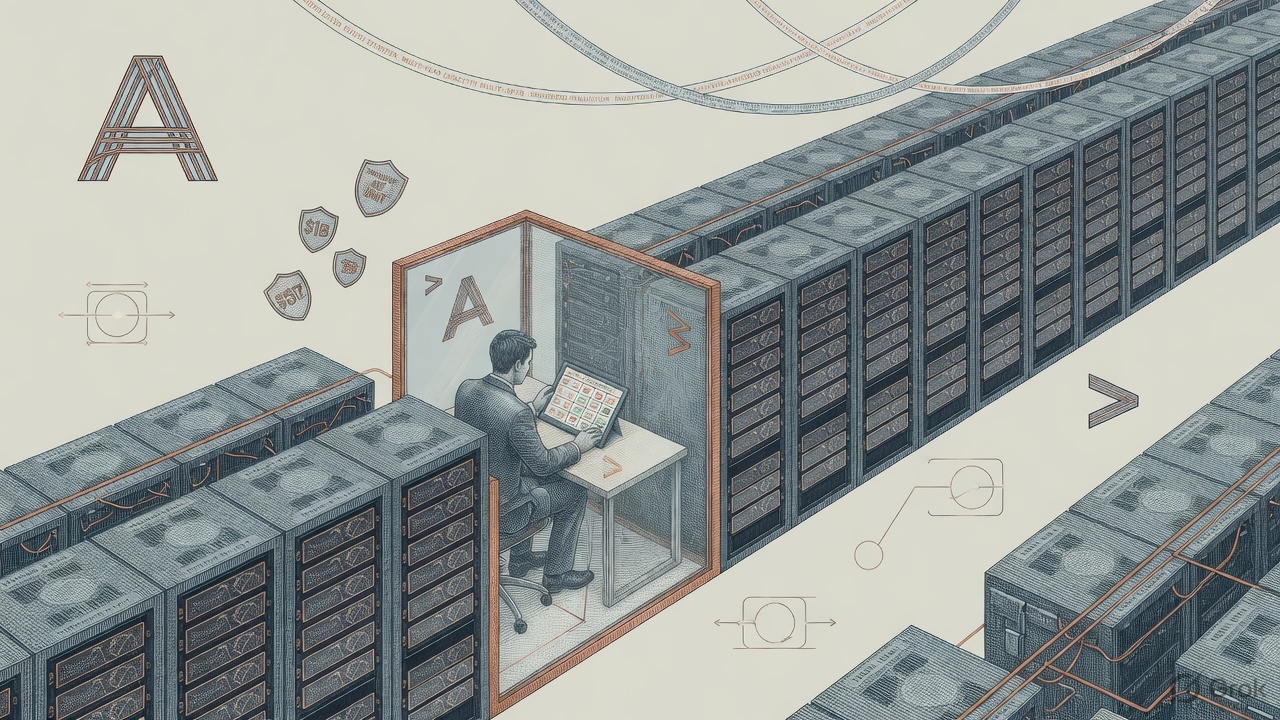
What “embedded” means here: unlike today’s outside evaluators, these evaluators would work inside the lab with access comparable to an employee’s — watch models take shape in training, follow deployment decisions, talk to staff, check whether safety commitments are being kept, report incidents, and give the public a more informed account. Anthropic says this does not reduce its own accountability.
Limits, stated by Anthropic: many operating details are still being worked out. There are no standards yet for what embedded evaluators should see, how they should report, or how independent evaluation should be funded long-term. The partnership is non-exclusive. Anthropic says other evaluators will be named in the coming weeks, and Accenture will do similar work with other developers.
Product-line de-dupe: not the September 17 Life Sciences Verification Program, and not Opus 5.5 (September 22), which later cites this partnership as the start of the pacing infrastructure.
Why this story matters
External evals have been a pre-release stamp. Embedded eval is a different object: a paid seat inside training. The $1 billion figure is a capacity budget, not a published audit. What is still missing is the access list, the publication rule, and a funder who is not the lab being evaluated.